
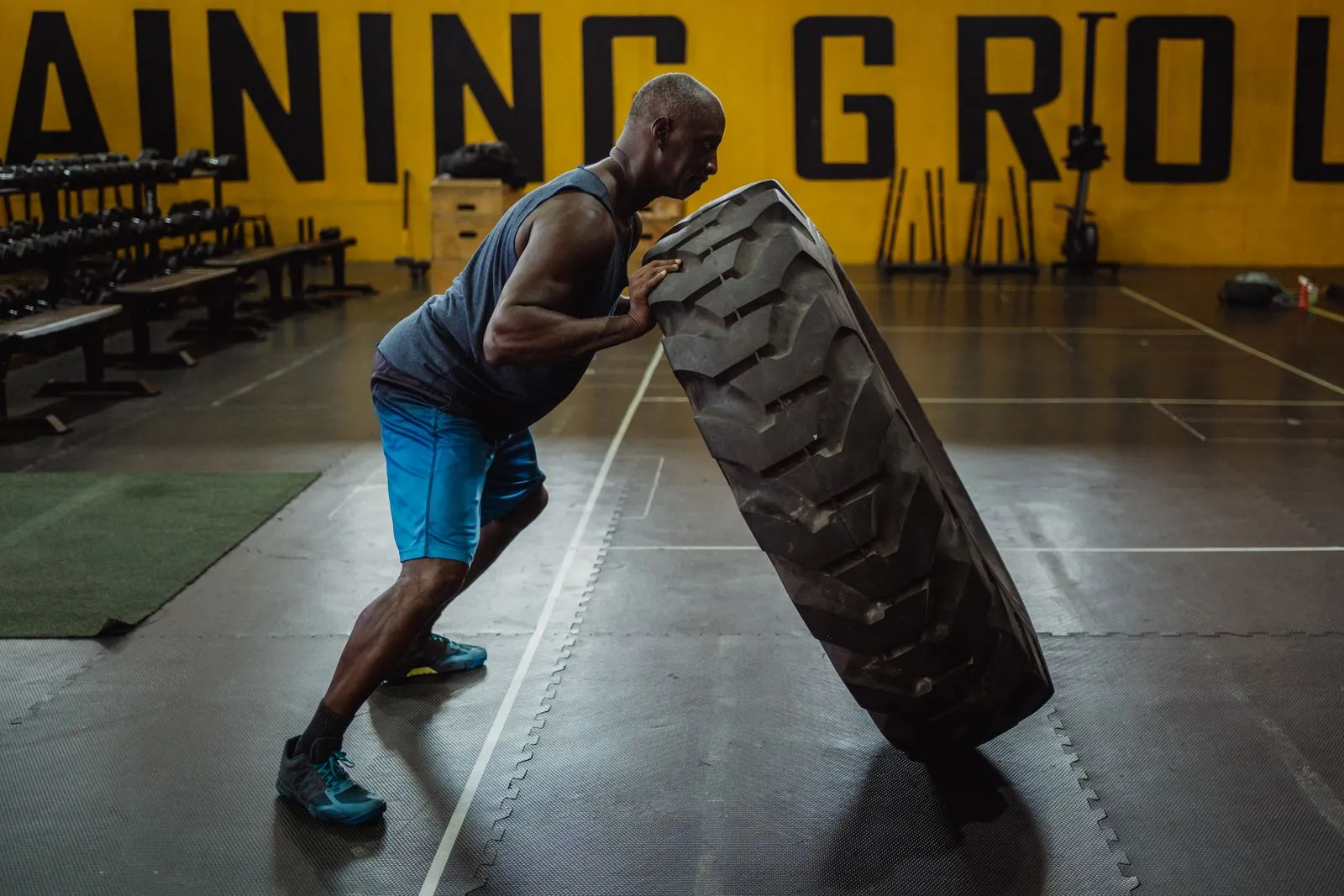
Scaling a CrossFit workout means adapting it to your current ability while keeping the session’s main purpose intact. A coach might reduce the weight, change the number of reps, or choose a different movement. The right version should feel challenging but manageable, let you use sound technique, and fit your goals. You don’t need to prove anything by doing the workout exactly as written. A thoughtful adjustment helps you train consistently and build skills over time.
Keep the Workout’s Purpose
Before changing anything, identify what the workout is designed to train. Is it a short, fast effort, steady conditioning, strength, or practice with a specific skill? A good scale preserves that intention. For example, if the goal is sustained movement, a simpler version of a difficult exercise can help you keep working without long pauses or rushed form.
Tell your coach what feels difficult, including pain, fatigue, or uncertainty about a movement. They can help you select an option that suits the day. Scaling isn’t a sign of failure; it’s a training decision. Your needs can change from one session to the next, so use how you feel and move today—not a previous result—to guide your choice.
Adjust the Weight
Choose a load you can move with control through the workout’s planned reps. If your posture changes, your range of motion shrinks, or you need a long break after every rep, the weight may be too heavy for that session. Your coach can suggest a lighter barbell, dumbbells, or another suitable option while keeping the exercise’s basic pattern.
Your goal matters, too. During a strength-focused workout, a coach may prioritize a challenging load and allow more rest. In a faster conditioning workout, a lighter load may help you maintain steady effort and safe technique. Follow the coach’s guidance, and don’t increase the weight just to match someone else’s score.
Change Reps and Movements
Reducing reps can make a workout more manageable when the full volume would lead to sloppy movement or excessive breaks. Your coach might also adjust the number of rounds or set a time cap. The aim is to keep the work appropriate—not to rush through every rep at the expense of control.
Some movements need a step-by-step alternative. If you’re building toward pull-ups, for instance, a coach might choose a band-assisted variation or a different pulling exercise. If jumping isn’t comfortable, they may offer a lower-impact option. Ask how the substitute connects to the workout’s goal, and let your coach know if it causes pain or feels unstable.
Check Your Scale as You Go
Use the first round as a check. Can you keep a consistent pace, move through a comfortable range, and maintain your technique? If not, pause and ask your coach about reducing the load, reps, or difficulty. If the workout feels too easy and your form stays reliable, your coach may approve a small adjustment.
Keep track of what you tried and how it felt, especially when practicing a skill or returning after time away. Share relevant injuries or movement restrictions with your coach before class. At Leicester Lift Club, coaches can help you choose an option for the session, but speak up whenever a movement feels wrong rather than trying to push through it.
The best scale keeps the workout’s purpose while matching your current skills, energy, and goals. Adjust one element at a time with your coach, then pay attention to how your body responds. With steady practice, today’s suitable option can become a step toward a more challenging version. Ask a coach for help choosing your next scale.